The new State legislation - Biodiversity Act
New Legislation - Protecting our environment
Protecting our environment will become simpler by bringing together and streamlining existing legislation. The following information has been sourced from a recent update from the Department for Environment and Water - Home
The new Act replaces the Native Vegetation Act 1991 and relevant wildlife provisions of the National Parks and Wildlife Act 1972. It aims to integrate the goals of these acts and the Landscape South Australia Act. The new act, The Biodiversity Conservation Act, will also legislate existing policies and processes, such as listing processes, and introduce new concepts and tools for conservation, which were previously spread across several pieces of legislation.
The past three primary statutes were administered by two separate departments and implemented across multiple business units, contributing to significant complexity.
The legislation still pending ratification was developed in consultation with leading environmental scientists, economists, primary producers, miners, and development planners. It enhances protections for threatened species and introduces new opportunities for investment in environmental restoration.
The Biodiversity Act includes:
The new legislation introduces a general duty for all South Australians to help protect biodiversity. It strengthens native plant laws, increases penalties for environmental harm (up to $500,000 for businesses), and introduces clearer processes for identifying and protecting critical habitats and listing threatened species. These changes align with national standards and incorporate expert scientific advice.
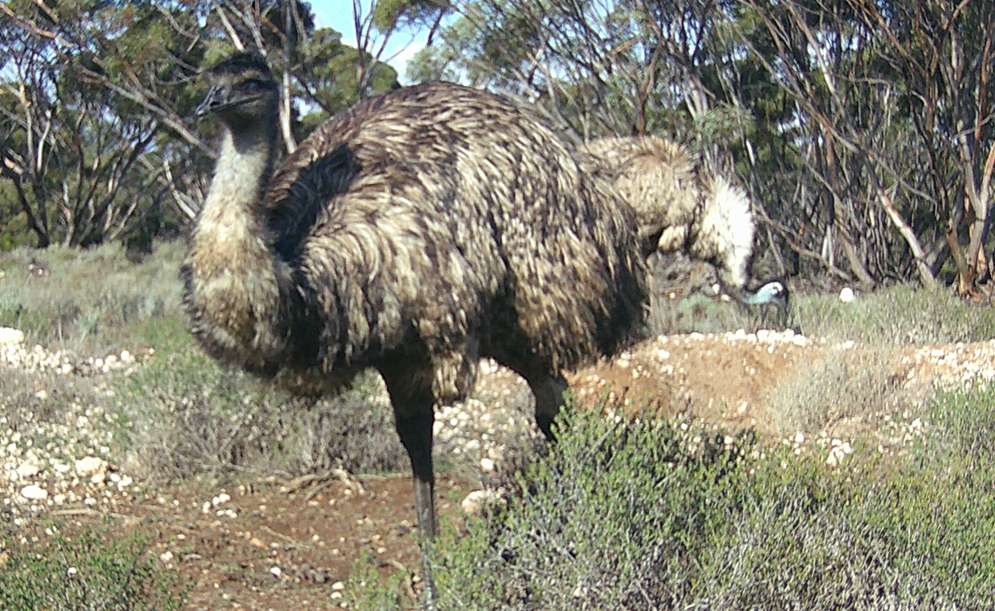
General image from a wildlfie camera - Emus on a Wombat Warren
Below is additional details
1- A new general duty ensuring that all South Australians play a role in protecting biodiversity
What does this mean in an environmental setting - A general duty of care is a legal obligation requiring individuals or organisations to act with reasonable care to avoid causing harm to the environment. It doesn't depend on a relationship or contract, but applies broadly in situations where harm could reasonably be foreseen.
- Everyone (individuals, businesses, government bodies) must take reasonable steps to prevent environmental harm.
- Actions (or inaction) should not degrade biodiversity, pollute land or water, or destroy native habitats.
- It applies proactively—not just when harm has already occurred.
2 - Stronger native plant (Vegetation) laws providing clearer regulations to safeguard native vegetation.
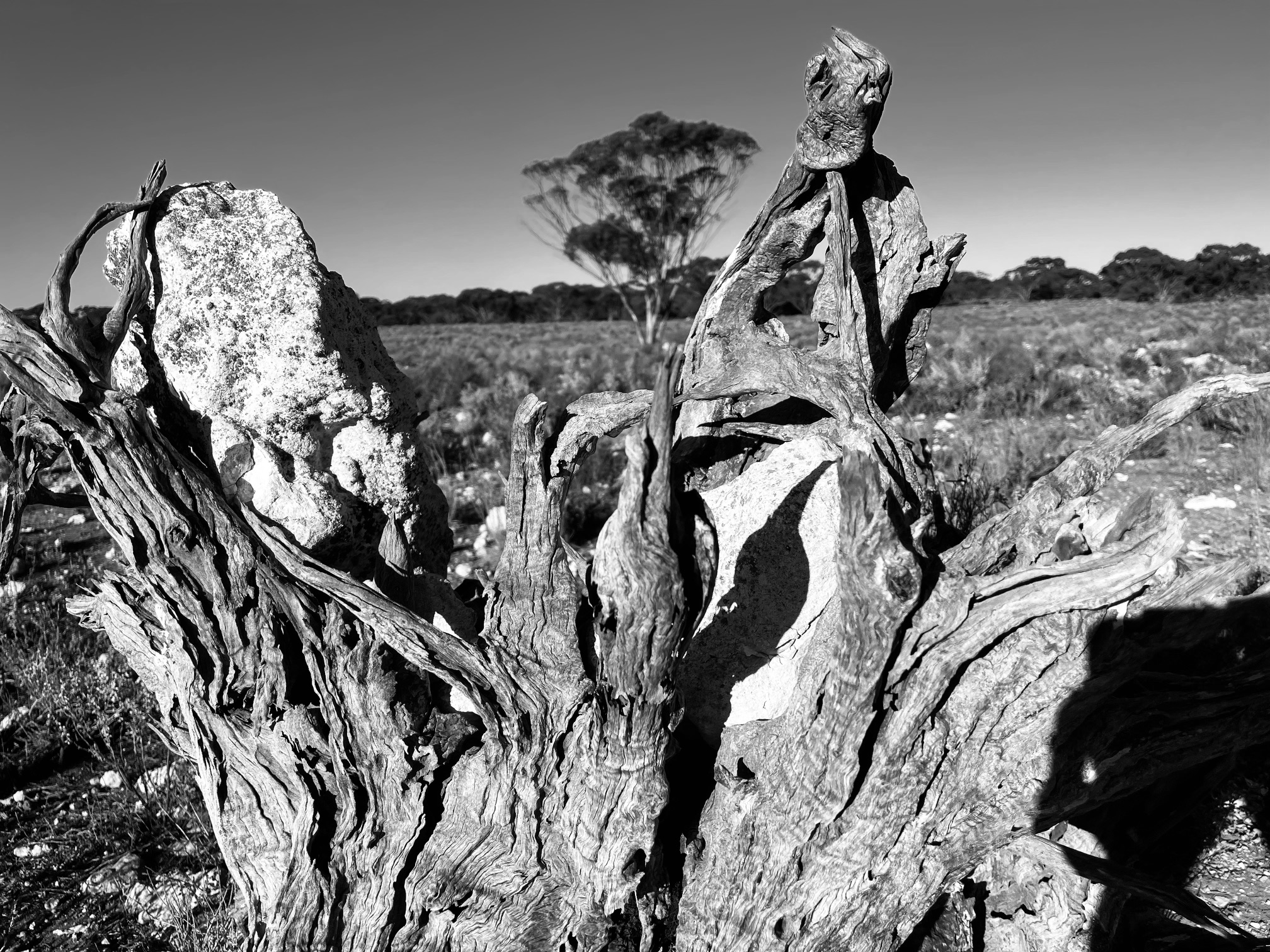
Trees cleared prior to the Native Vegetation Act 1991
3 - Harsher penalties to create stronger deterrence against environmental harm
Increased penalties can reduce crime primarily through the mechanisms of deterrence and incapacitation, though their effectiveness depends on how they are applied.
This legislation focuses on deterrence, with greater penalties intended to discourage potential offenders by making the consequences of committing a crime severe.
- General deterrence: Others in the community are discouraged from offending when they see serious consequences imposed on wrongdoers.
- Specific deterrence: Offenders themselves are less likely to reoffend if the punishment they experienced was significant.
Penalties for people who harm or traffic native animals or illegally clear native habitats will also be increased to a maximum of $500,000 for businesses, a significant increase in existing fines that range from $2500 to $100,000.
The new Act also includes a maximum $250,000 fine or five years' jail for individuals convicted of illegally killing, catching, restraining, injuring, keeping or interfering with a protected animal.

Kangaroo carcass one of several, illegally shot or hit by drivers not exercising due care
4 – Increase focus on the species that most need protection.
Critical habitat protections – by introducing a new process to identify and safeguard habitats vital for the survival of threatened species
A new process for listing threatened species and threatened ecological communities, which aligns with other Australian jurisdictions and receives expert input from the scientific committee.
A nationally consistent process to assess and recognise threatened native species and ecological communities.
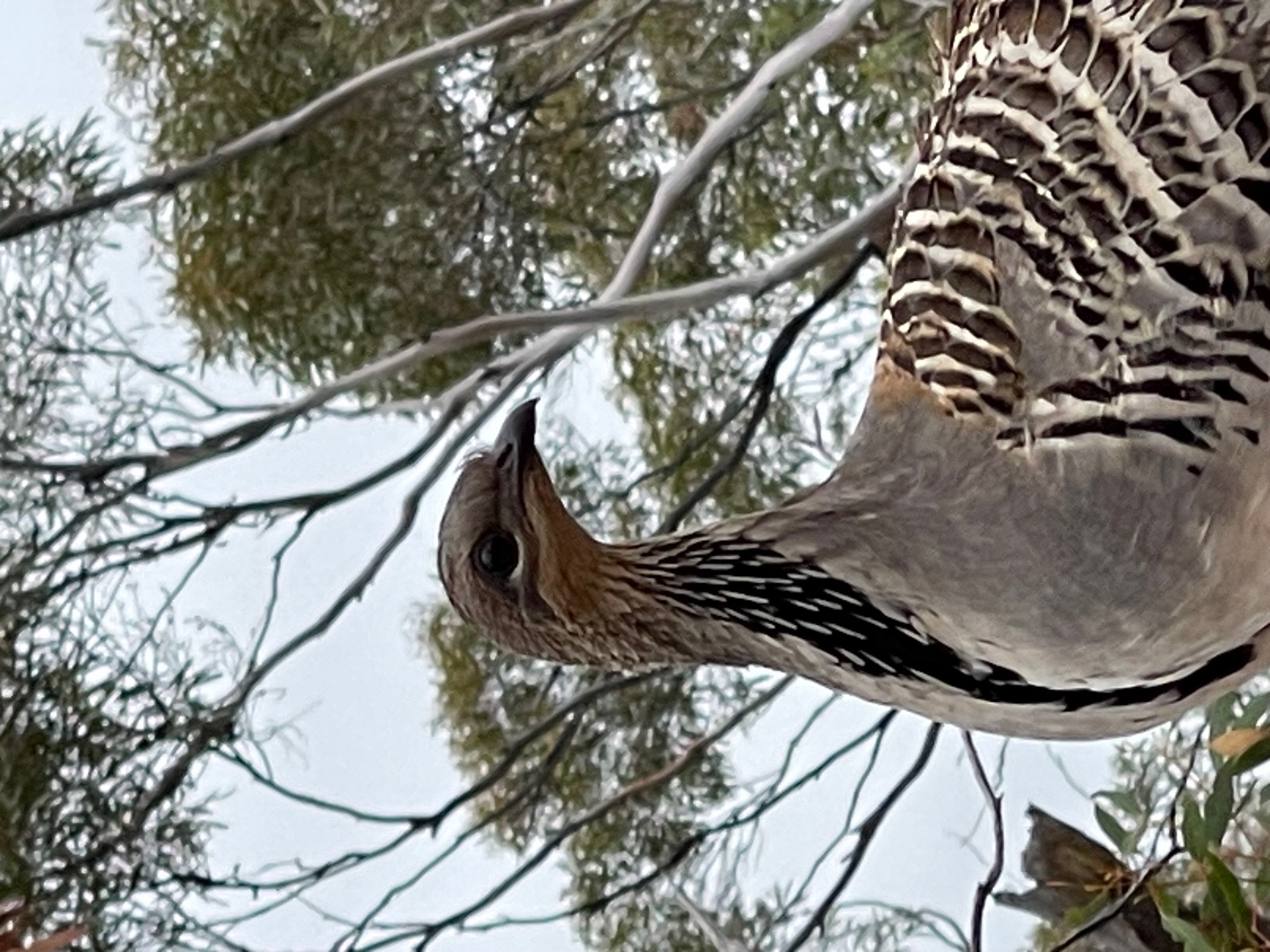
Above one of our Nationally Threatened Mallee Fowls
So lets watch this space as after working in the field for over 25 years undertaking activities to enhance and protect native species, Flora and Fauna this is the first time in South Australia we have seen such a collaborative and seemless approach. At this link South Australia’s first ever Biodiversity Act aimed at better protecting the State’s native animals and plants, as well as addressing the impacts of climate change, has passed State Parliament.
AN UPDATE
Dated 2 July from the Biodiversity Act team DEW
Current Status
On 18 June 2025, the Biodiversity Bill was successfully passed by the South Australian Parliament. This historic legislation consolidates and strengthens biodiversity protections across the state, ensuring better outcomes for native species, ecosystems, and future generations.
You can view the Biodiversity Act here.
Next steps
While the new legislation has been finalised, it will not come into effect immediately – it will be implemented in a staged manner over the next two years. In the meantime, the National Parks and Wildlife Act 1972 and the Native Vegetation Act 1991 will continue to work the same way they currently do. For example, current requirements to seek approval to clear native vegetation or to apply for wildlife permits remain unchanged.
The department is now working on developing the subordinate legislation – the regulations and required policies and guidelines – and the establishment of new governance bodies. Consultation will continue throughout those developments.
We will continue to keep you informed as the implementation progresses and key milestones are achieved. Your ongoing engagement and support remain vital to the success of this initiative.